
Understanding Chest Pain and Its Causes
Chest pain is one of the most alarming symptoms a person can experience, often raising concerns about heart health. While not all chest pain is related to the heart, it is essential to rule out serious conditions such as heart attacks, arrhythmias, or coronary artery disease. Chest discomfort can also arise from muscle strain, digestive issues, or anxiety, but identifying the exact cause is critical. This is where an EKG test plays a vital role in diagnosing the underlying issue quickly and accurately.
What is an EKG Test?
An EKG (electrocardiogram) test is a simple, non-invasive procedure that records the electrical activity of the heart. Every heartbeat generates electrical signals, and an EKG machine captures these signals to assess heart rhythm and function. This test is commonly used in emergency situations when a patient presents with chest pain, as it provides immediate insights into whether the heart is under stress or experiencing abnormalities.
Why is an EKG Test Important for Chest Pain?
When someone experiences chest pain, time is crucial. An EKG test helps healthcare providers quickly determine if the pain is heart-related. It can identify conditions such as heart attacks, irregular heart rhythms, or reduced blood flow to the heart. Early detection through an EKG allows doctors to initiate prompt treatment, which can be life-saving. Without this test, diagnosing heart conditions would take longer and increase the risk of complications.
How Does an EKG Test Work?
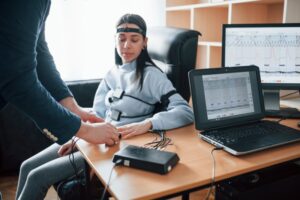
The EKG test works by attaching small electrodes to specific points on the chest, arms, and legs. These electrodes detect electrical signals produced by the heart and send them to a machine that records the data in the form of wave patterns. Each wave represents a different phase of the heartbeat, and doctors analyze these patterns to identify abnormalities. The procedure is painless, quick, and typically completed within 5 to 10 minutes.
What to Expect During the Procedure
During the test, the patient is asked to lie down comfortably while the technician places electrodes on the body. There is no need for injections or any invasive steps. Patients are usually advised to remain still and breathe normally to ensure accurate results. Once the test is complete, the electrodes are removed, and the results are either reviewed immediately or sent to a specialist for further analysis.
Conditions Detected by an EKG Test
An EKG test is highly effective in detecting a variety of heart-related conditions. These include heart attacks, arrhythmias (irregular heartbeats), ischemia (reduced blood flow), and structural abnormalities of the heart. It can also reveal signs of previous heart damage or ongoing cardiac stress. For patients experiencing chest pain, these insights are crucial in determining the next steps in treatment.
Benefits of an EKG Test
One of the main advantages of an EKG test is its speed and accuracy. It provides real-time information about heart activity, enabling quick diagnosis. The test is non-invasive, meaning there are no risks associated with needles or surgery. It is also widely available and cost-effective, making it accessible for most patients. Additionally, it serves as a baseline for future comparisons, helping doctors monitor heart health over time.
When Should You Get an EKG Test?
You should consider getting an EKG test if you experience symptoms such as chest pain, shortness of breath, dizziness, or palpitations. It is especially important for individuals with a history of heart disease, high blood pressure, or diabetes. Even if the chest pain seems mild, it is always better to seek medical evaluation to rule out serious conditions.
Limitations of an EKG Test
While an EKG test is highly useful, it does have some limitations. It only captures heart activity during the time of the test, which means intermittent issues may not always be detected. In some cases, additional tests such as stress tests, echocardiograms, or blood tests may be required for a more comprehensive diagnosis. Despite these limitations, the EKG remains a critical first step in evaluating chest pain.
Preparing for an EKG Test
Preparation for an EKG test is minimal. Patients are usually advised to wear comfortable clothing and avoid applying lotions or oils on the chest, as these can interfere with electrode placement. It is also recommended to inform the doctor about any medications being taken, as certain drugs can affect heart activity and test results.
EKG Test vs Other Heart Tests
Compared to other diagnostic methods, the EKG test is the quickest and most accessible. While imaging tests like echocardiograms provide detailed visuals of the heart, an EKG focuses on electrical activity. Stress tests evaluate how the heart performs under physical exertion, whereas an EKG provides immediate insights at rest. Together, these tests create a complete picture of heart health.
Role of EKG in Emergency Situations
In emergency settings, an EKG test is often the first diagnostic tool used when a patient reports chest pain. It helps medical professionals quickly determine whether the patient is experiencing a heart attack or another serious condition. Immediate results allow for faster decision-making, such as administering medications or preparing for further interventions.
Conclusion
An EKG test is an essential tool in diagnosing chest pain and ensuring timely treatment of heart conditions. Its simplicity, speed, and effectiveness make it a cornerstone of modern cardiac care. Whether used in emergencies or routine checkups, the EKG test plays a crucial role in safeguarding heart health and providing peace of mind to patients.
Frequently Asked Questions (FAQs)
1. Is an EKG test painful?
No, an EKG test is completely painless. It only involves placing electrodes on the skin to record heart activity.
2. How long does an EKG test take?
The test usually takes about 5 to 10 minutes, making it a quick diagnostic procedure.
3. Can an EKG detect a heart attack?
Yes, an EKG can detect signs of a current or past heart attack by analyzing electrical patterns.
4. Do I need to prepare for an EKG test?
Minimal preparation is required. Avoid lotions on the chest and wear comfortable clothing.
5. Is an EKG test enough to diagnose all heart problems?
Not always. While it is a useful first step, additional tests may be needed for a complete diagnosis.
Take control of your heart health today! If you are experiencing chest pain or discomfort, don’t delay—early diagnosis can save lives. Visit us https://sccdallas.co/services/illness/lab-tests for a quick and reliable EKG test and comprehensive care. Our expert team is here to support you every step of the way. Contact us at (469) 884-1975 now to book your appointment and ensure your heart stays healthy and strong.